
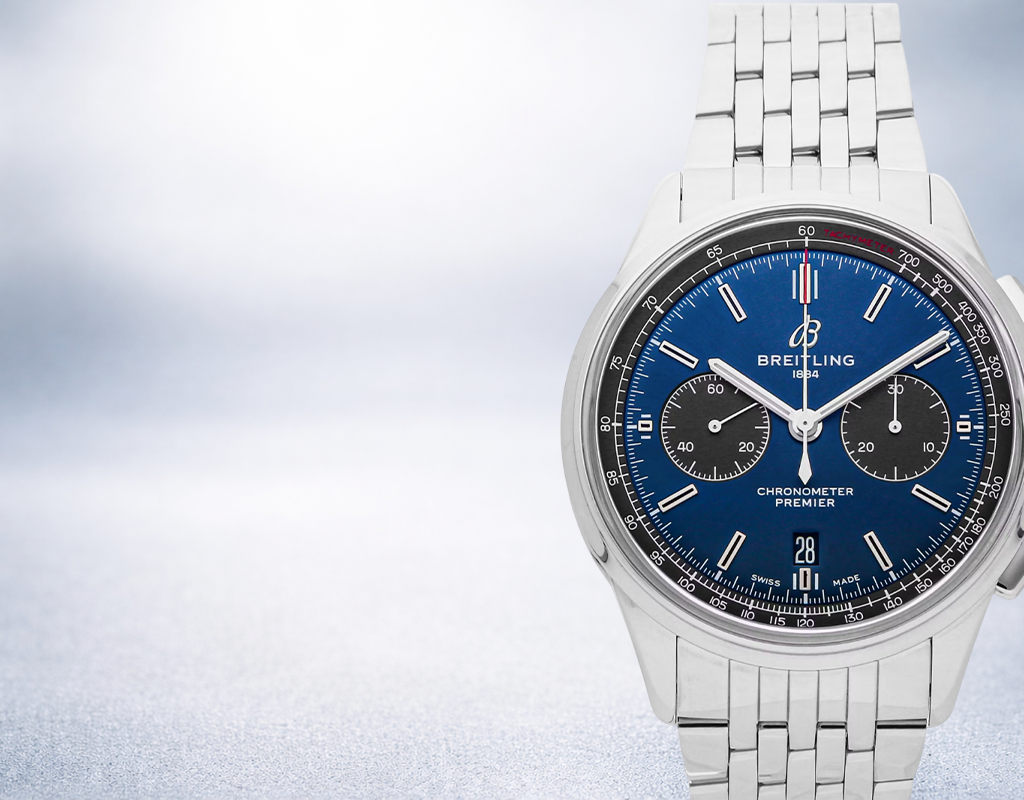
Selecting a watch case size often feels confusing, so many beginners search a replica watch size guide to understand basic proportions and visual balance. A properly sized watch improves comfort on the wrist while also creating a more harmonious appearance with clothing and personal style. Understanding these measurements allows buyers to evaluate different designs more confidently instead of relying only on promotional images. For that reason, many first-time collectors study a replica watch size guide before comparing different brands and models.
Understanding Wrist Proportions with replica watch size guide
Wrist circumference plays the most important role when determining which case size will appear balanced. Most people measure their wrist using a soft tape, although a simple strip of paper can also work if measured carefully afterward. Generally speaking, smaller wrists look better with modest case diameters, while larger wrists comfortably support wider watches without appearing oversized. Because proportions vary widely among individuals, a replica watch size guide usually starts by explaining wrist measurements before discussing specific watch models. Once buyers understand their wrist size, they can evaluate case dimensions with far greater accuracy.
Case Diameter Basics
Case diameter represents the most noticeable measurement of any watch, and it strongly affects visual presence on the wrist. Modern watches commonly range from about 36 millimeters to 44 millimeters, although certain sports watches extend slightly beyond this range. Smaller diameters often create a refined and classic appearance, especially for dress watches or formal environments. Larger diameters, however, produce a stronger visual statement and frequently appear in sport-oriented designs. For this reason, a replica watch size guide explains how case diameter interacts with wrist width, clothing style, and overall design language.
Thickness and Lug-to-Lug Balance with replica watch size guide
Watch thickness influences both comfort and appearance, particularly when the watch sits beneath long sleeves or jackets. Slim watches usually slide easily under cuffs and therefore remain popular in professional settings. Thicker cases often communicate durability and sport functionality, especially among diving or aviation watches. However, lug-to-lug distance determines whether the watch actually fits across the wrist surface without extending over the edges. Because these factors interact closely, a replica watch size guide evaluates diameter, thickness, and lug length together rather than individually.
Style Context and replica watch size guide
Different watch styles also influence which case size feels visually appropriate during everyday wear. Dress watches traditionally feature smaller cases with thinner profiles, creating a refined look suitable for formal clothing. Diving watches generally appear larger so that underwater readability improves through bigger markers and wider bezels. Pilot watches frequently balance large dials with strong legibility to support aviation functionality. Therefore, a replica watch size guide connects case size with intended watch purpose, helping buyers understand why certain designs follow specific dimensional patterns.
Comparing Popular Breitling Series
Examining well-known watch collections can also clarify how brands apply case size within different design philosophies. Breitling offers several recognizable models, each presenting a unique balance between function and visual proportion. For example, the Navitimer combines aviation complexity with medium-to-large cases that highlight its iconic slide-rule bezel. Chronomat watches emphasize sporty durability and therefore often feature slightly bolder proportions. Meanwhile, the Superocean collection focuses on diving performance and readability, which typically results in stronger case presence. The Premier series, in contrast, reflects classic elegance and therefore adopts more restrained dimensions suitable for refined wear.
Practical Steps Using a replica watch size guide
When choosing a watch, a structured evaluation process often prevents mistakes and unnecessary returns. Start by measuring wrist circumference accurately, then compare that measurement with common case diameter ranges suggested by sizing references. Next, review lug-to-lug distance because this measurement determines whether the watch will visually fit across the wrist surface. Afterward, check case thickness to ensure the watch remains comfortable beneath shirts or jackets. Many buyers confirm these factors using a replica watch size guide, while additional information can also appear across our curated watch destination, where sizing explanations accompany watch descriptions.
Quick Reference Table
The following simplified chart often appears within a replica watch size guide because it translates wrist measurements into easy case size recommendations.
| Wrist Size | Suggested Case Diameter |
|---|---|
| 6–6.5 inches | 36–38 mm |
| 6.5–7 inches | 38–40 mm |
| 7–7.5 inches | 40–42 mm |
| 7.5–8 inches | 42–44 mm |
Tables like this simplify decision-making by converting wrist measurements into clear guidelines. Nevertheless, individual style preferences, watch thickness, and design context should always complement these recommendations when selecting the most comfortable and visually balanced case size.
